Eileen Hernon
Social and Emotional Learning
I believe in a "whole child" approach to education. Teaching children to be kind, self-regulated, and empowered is just as important as teaching them the academic content. We are not just passing along information, but preparing the next generation of citizens. By spending time teaching social and emotional skills when children are young, I am doing my part to invest in a future society that is more respectful, more inclusive, and less volatile.
Below are some examples of how I incorporated social and emotional learning into my pre-service practicum experiences.
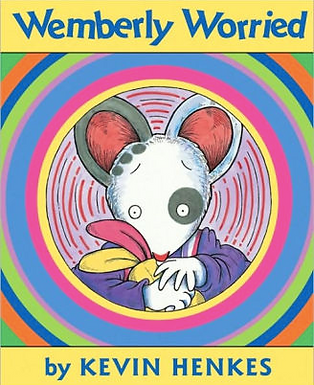
Many of the students I've worked with have anxiety about school. My students worried about tests, homework, friends, and even P.E. Wemberly Worried is an easy-going read-aloud about a young mouse who worries about almost everything. After reading this book with my students, we were able to talk about strategies for coping with anxiety. I love using read-alouds to anchor broader discussions about feelings and behavior, because it gives my students and me a common language to use when we talk about abstract concepts like anxiety. Plus, the students connect so easily with the characters.
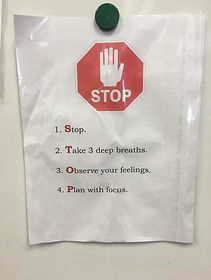
I believe social/behavioral anchor charts are just as important as academic anchor charts. Just as we teach content, we have to teach students how to positively and respectfully socialize with their peers and regulate their own emotions and behavior. These types of charts provide a reference points for students, reminding them how to handle emotions and social interactions.

This is a worksheet I've used with students in the past. In my experience, students act out when they feel overwhelmed by their own emotions. "Feelings Inventories" give students a tool to identify and acknowledge their emotions instead of acting on them. My students usually feel better and more in control after listing their emotions.